Skip to content
← Shochumixer

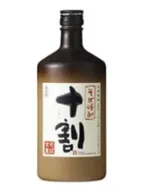
Kariboshi

Takachiho Shuzo · Miyazaki · Soba (buckwheat)

  • white koji
  • vacuum distilled
  • honkaku
  • blended

Pour this first

Ginger ale, tall over ice. Lemon with it.

Soba shochu is usually vacuum distilled and light, which is exactly the profile a highball flatters. The soba highball is a standard order in a soba restaurant, not an experiment.

One part shochu to three or four parts mixer, over plenty of ice. If it tastes thin, go two to three next time.

What it tastes like

Soba shochu from Takachiho Shuzo in Miyazaki. Producer's tasting notes: barley, rice. The profile below is built from the tasting notes the producer publishes.

  • buckwheat
  • barley
  • rice
Sweet
1/5
Body
3/5
Aroma
4/5
Fruit
0/5
Floral
0/5
Grain
5/5
Earth
3/5
Umami
2/5
Base
buckwheat, barley and domestic rice with buckwheat, barley and rice koji
Koji
white koji
Distillation
vacuum distillation
ABV
25%

What to mix with it

Tap a family to narrow it down. Every suggestion carries its reasoning, so if the reasoning does not convince you, ignore the suggestion.

Explore all 104 pairings
  • Ginger ale

    Strong match

    The gentle ginger. For bottles that a ginger beer would bully.

    • Soba shochu is usually vacuum distilled and light, which is exactly the profile a highball flatters. The soba highball is a standard order in a soba restaurant, not an experiment.
    • Carbonation carries aroma up out of the glass, so a highball shows an aromatic bottle off rather than diluting the point of it.
    • Gentler than ginger beer; right for a soft rice bottle
    • Barley shochu and ginger ale is an izakaya highball
  • The shortcut to a sour when there is no fresh lemon. Less sweet is better.

    • Soba shochu is usually vacuum distilled and light, which is exactly the profile a highball flatters. The soba highball is a standard order in a soba restaurant, not an experiment.
    • Carbonation carries aroma up out of the glass, so a highball shows an aromatic bottle off rather than diluting the point of it.
    • Lemon sour in one pour
    • Rice shochu and lemon soda
  • Soda water

    Strong match

    Cold, and fizzy enough to matter. One part shochu to three or four parts soda; if it tastes thin, go one to two next time.

    • Soba shochu is usually vacuum distilled and light, which is exactly the profile a highball flatters. The soba highball is a standard order in a soba restaurant, not an experiment.
    • Carbonation carries aroma up out of the glass, so a highball shows an aromatic bottle off rather than diluting the point of it.
    • The shochu highball: ice, shochu, cold soda, nothing else
    • Shochu and soda over ice is the most ordinary drink in Japan
  • Tonic water

    Strong match

    A dry tonic (Fever-Tree, Q). One part spirit, three parts tonic, a citrus wedge.

    • Soba shochu is usually vacuum distilled and light, which is exactly the profile a highball flatters. The soba highball is a standard order in a soba restaurant, not an experiment.
    • Carbonation carries aroma up out of the glass, so a highball shows an aromatic bottle off rather than diluting the point of it.
    • Shochu tonic is the drink US bars pour most when they list shochu
    • Shochu tonic: bitter, sweet, low proof, and better than it sounds
  • Oolong tea

    Strong match

    Unsweetened, cold. One part shochu to three or four parts tea, over ice.

    • Grain and roast are the same flavour arrived at twice, once by the still and once by the pan.
    • Oolong-hai is the second most common shochu drink in Japanese izakaya
    • Rice shochu and oolong is a Kyushu dinner drink
    • Unsweetened, cold. One part shochu to three or four parts tea, over ice.
  • Lemon

    Strong match

    Fresh juice, never bottled. It is the whole basis of the lemon sour, and the quickest way to put acid into a spirit that has almost none of its own.

    • An earthy, heavy spirit flattens out without acid. This is the ingredient doing structural work, not decoration.
    • Buckwheat is nutty and low in acid, so citrus is doing structural work rather than adding a flavour.
    • The lemon sour is Japan's most-ordered shochu drink for a reason
    • Rice sweetness wants acid, and lemon is the simplest acid there is
  • Sudachi

    Strong match

    A small green citrus from Tokushima, sharper and more herbal than lime. Sold frozen or as juice in Japanese markets.

    • An earthy, heavy spirit flattens out without acid. This is the ingredient doing structural work, not decoration.
    • Buckwheat is nutty and low in acid, so citrus is doing structural work rather than adding a flavour.
    • Tokushima's citrus on a Kyushu spirit, sharper and greener than the lemon a barley sour usually gets
    • Squeezed over rice, it is the flavor of a Japanese autumn table
  • Ginger beer

    Strong match

    A spicy one, not a sweet one. The mule format works for every dark shochu, and it is the most forgiving way to serve one.

    • Soba shochu is usually vacuum distilled and light, which is exactly the profile a highball flatters. The soba highball is a standard order in a soba restaurant, not an experiment.
    • Carbonation carries aroma up out of the glass, so a highball shows an aromatic bottle off rather than diluting the point of it.
    • A shochu mule, and it is on menus
  • Kombucha

    Strong match

    A plain or ginger kombucha. Acid, bubbles and a little funk, none of which survive a still.

    • Soba shochu is usually vacuum distilled and light, which is exactly the profile a highball flatters. The soba highball is a standard order in a soba restaurant, not an experiment.
    • Carbonation carries aroma up out of the glass, so a highball shows an aromatic bottle off rather than diluting the point of it.
    • Acid and bubbles on rice sweetness
  • Dry cava or crémant. Acid and bubbles in one pour, which is exactly what a distilled spirit has none of.

    • Soba shochu is usually vacuum distilled and light, which is exactly the profile a highball flatters. The soba highball is a standard order in a soba restaurant, not an experiment.
    • Carbonation carries aroma up out of the glass, so a highball shows an aromatic bottle off rather than diluting the point of it.
    • Shochu and brut sparkling is a French 75 at lower proof; the acid is the point
  • Green tea (sencha)

    Strong match

    Cold-brewed sencha, unsweetened. The green tea highball is one of the most common ways shochu is actually drunk in Japan.

    • Ryokucha-hai: rice shochu with green tea is an ordinary Kyushu order
    • Barley shochu and green tea is on every izakaya menu in Japan
    • Cold-brewed sencha, unsweetened. The green tea highball is one of the most common ways shochu is actually drunk in Japan.
  • Soft water, cold, over ice or not. One to one is normal. Mix a day ahead (maewari) and the edges round off.

    • Heat is what makes buckwheat smell toasted rather than merely nutty, which is most of the reason to choose a soba shochu in the first place.
    • Rice shochu mizuwari is a dinner drink in Kumamoto
    • Six parts shochu to four parts water, the classic
  • Grapefruit

    Good match

    Bitter, bright and forgiving. Ruby or white both work; white is drier. The grapefruit sour is a real bar order in Japan, not a novelty.

    • An earthy, heavy spirit flattens out without acid. This is the ingredient doing structural work, not decoration.
    • Buckwheat is nutty and low in acid, so citrus is doing structural work rather than adding a flavour.
    • Barley shochu and grapefruit is the Kyushu sour after the lemon one
  • Hyuganatsu

    Good match

    A Miyazaki citrus eaten with the white pith left on, which is sweet rather than bitter. Gentler and more floral than lemon, so it flavours a drink without taking it over.

    • An earthy, heavy spirit flattens out without acid. This is the ingredient doing structural work, not decoration.
    • Buckwheat is nutty and low in acid, so citrus is doing structural work rather than adding a flavour.
    • Softer acid than lemon, so the rice sweetness stays in the glass
  • Kabosu

    Good match

    Oita's citrus, softer than sudachi. Bartenders in Oita mix it with the local barley shochu and soda.

    • An earthy, heavy spirit flattens out without acid. This is the ingredient doing structural work, not decoration.
    • Buckwheat is nutty and low in acid, so citrus is doing structural work rather than adding a flavour.
    • Oita grows the kabosu and distills the barley shochu; they were made for each other
  • Umeboshi (salt-pickled), ume syrup, or the fruit's own liqueur. Sour, salty and savory at once.

    • An earthy, heavy spirit flattens out without acid. This is the ingredient doing structural work, not decoration.
    • Ume sour: the second most ordered shochu drink in Japan after lemon
    • Barley shochu with an umeboshi dropped in is a real izakaya order
  • Yuzu

    Good match

    The Japanese citrus that tastes like grapefruit, mandarin and lemon at once, with a floral peel. A little zest or juice goes a long way.

    • An earthy, heavy spirit flattens out without acid. This is the ingredient doing structural work, not decoration.
    • Buckwheat is nutty and low in acid, so citrus is doing structural work rather than adding a flavour.
    • The classic pair: rice sweetness under yuzu zest
  • Genever

    Good match

    Bols Genever, around thirty-five dollars. The split base for a grain shochu, in a way plain gin is not.

    • Grain and roast are the same flavour arrived at twice, once by the still and once by the pan.
    • Malt wine and barley shochu are the same grain distilled two different ways
    • Against a soba bottle it reads as more of the same thing, not a second idea
  • Dry vermouth

    Good match

    Dolin dry or Noilly Prat. A quarter of the shochu's volume, stirred cold.

    • Rice shochu and dry vermouth, stirred, is the martini bars actually serve at this proof
    • Shochu and dry vermouth is a Japanese martini at half the proof
    • Rice shochu, dry vermouth, a lemon twist
  • Hoppy Beverage Co. has made it in Tokyo since 1948; at 0.8 percent it is legally a soft drink, and it is hard to find outside Japan. Chill the bottle, the shochu and the mug and no ice is needed.

    • Soba shochu is usually vacuum distilled and light, which is exactly the profile a highball flatters. The soba highball is a standard order in a soba restaurant, not an experiment.
    • Carbonation carries aroma up out of the glass, so a highball shows an aromatic bottle off rather than diluting the point of it.
  • A spoon of the brine, and a slice as garnish. Sweet, sour and hot at once.

    • Gari sits next to sushi rice; it sits next to a rice spirit for the same reason
    • Barley shochu and gari brine is a bartender's shortcut to a ginger sour
    • A spoon of the brine, and a slice as garnish. Sweet, sour and hot at once.
  • Umeboshi

    Good match

    One salted plum, crushed with a spoon in the glass. Salty, sour, savory.

    • One umeboshi in a glass of barley shochu and hot water is the oldest shochu drink there is
    • Ume and rice is a rice ball
    • One salted plum, crushed with a spoon in the glass. Salty, sour, savory.
  • The Korean-style yuzu preserve sold in jars. A spoon in hot water with shochu, or shaken cold.

    • Yuzu tea and barley shochu in hot water is a winter izakaya drink
    • Hot water, rice shochu, a spoon of yuzu tea
    • The Korean-style yuzu preserve sold in jars. A spoon in hot water with shochu, or shaken cold.
  • Genmaicha

    Good match

    Green tea with popped, toasted rice. Cold-brew it.

    • This bottle's aroma is the reason to own it, and a roasted or smoky mixer covers exactly that.
    • Grain and roast are the same flavour arrived at twice, once by the still and once by the pan.
    • Toasted rice tea and a rice spirit are the same grain twice
    • Two toasted grains
  • Roasted buckwheat, in any Japanese grocery, hot or cold. In a soba restaurant the same serve is made with soba-yu, the starchy water the noodles were boiled in, which is thicker and cannot be bought.

    • This bottle's aroma is the reason to own it, and a roasted or smoky mixer covers exactly that.
    • Grain and roast are the same flavour arrived at twice, once by the still and once by the pan.
    • Roasted buckwheat and roasted barley are one idea arrived at from two grains
    • The one mixer that puts the bottle's own raw material back into the glass
  • Hot water in the glass first, spirit poured on top so it mixes itself. Around 40C in the glass is the sweet spot. This is not the only way, it is one way.

    • Heat is what makes buckwheat smell toasted rather than merely nutty, which is most of the reason to choose a soba shochu in the first place.
    • Mugi oyuwari in winter, with an umeboshi
  • Jasmine tea

    Good match

    Cold-brewed. Floral without sugar. The jasmine highball is a real menu item in Japan.

    • Jasmine-hai is on izakaya menus next to oolong-hai
    • Cold-brewed. Floral without sugar. The jasmine highball is a real menu item in Japan.
  • Matcha

    Good match

    Whisked into a slurry first, never dumped in dry. Bitter, umami and creamy at once.

    • Rice and matcha agree, which is why the pairing turns up on menus at all
    • Whisked into a slurry first, never dumped in dry. Bitter, umami and creamy at once.
  • Hibiscus

    Good match

    Cold-brewed hibiscus tea: sour, cranberry-red and floral. Acid and color in one pour.

    • An earthy, heavy spirit flattens out without acid. This is the ingredient doing structural work, not decoration.
    • Its acid is what rice bottles need
    • The nutty base will swallow a delicate flower unless the drink is otherwise very plain.
  • Blood orange

    Good match

    Orange with a raspberry edge. Winter fruit; worth waiting for.

    • An earthy, heavy spirit flattens out without acid. This is the ingredient doing structural work, not decoration.
    • Buckwheat is nutty and low in acid, so citrus is doing structural work rather than adding a flavour.
  • Cranberry

    Good match

    Unsweetened juice. Sharp and a little tannic, useful for cutting sweetness.

    • An earthy, heavy spirit flattens out without acid. This is the ingredient doing structural work, not decoration.
    • Tart cranberry gives soft rice sweetness structure
  • Bitter orange: sour and aromatic rather than sweet, the citrus that goes into ponzu. Bottled juice is sold for cooking and works straight in a glass. Use the peel too, it carries most of the smell.

    • An earthy, heavy spirit flattens out without acid. This is the ingredient doing structural work, not decoration.
    • Buckwheat is nutty and low in acid, so citrus is doing structural work rather than adding a flavour.
  • Sakamoto's, fermented outdoors in earthenware jars in Fukuyama and aged at least a year; Toiro and Japanese Taste ship it in the US. A teaspoon in a mizuwari is the whole intervention, and a second one is usually a mistake.

    • An earthy, heavy spirit flattens out without acid. This is the ingredient doing structural work, not decoration.
    • Sakamoto's, fermented outdoors in earthenware jars in Fukuyama and aged at least a year; Toiro and Japanese Taste ship it in the US. A teaspoon in a mizuwari is the whole intervention, and a second one is usually a mistake.
  • Raspberry

    Good match

    Sour enough to be useful. Muddle a handful, or use a good puree.

    • An earthy, heavy spirit flattens out without acid. This is the ingredient doing structural work, not decoration.
    • Its acidity is what soft rice bottles need
  • Shikuwasa

    Good match

    Okinawa's own citrus, picked green and sharp, more bitter than lime and more floral than sudachi. Squeezed over awamori and soda it is what the islands actually drink.

    • An earthy, heavy spirit flattens out without acid. This is the ingredient doing structural work, not decoration.
    • Buckwheat is nutty and low in acid, so citrus is doing structural work rather than adding a flavour.
  • Eden Foods sells it as Ume Plum Vinegar in most US supermarkets, and it is one of the cheapest things on this list. A bar spoon, and unlike a crushed umeboshi it can go into a shaken drink.

    • An earthy, heavy spirit flattens out without acid. This is the ingredient doing structural work, not decoration.
    • Eden Foods sells it as Ume Plum Vinegar in most US supermarkets, and it is one of the cheapest things on this list. A bar spoon, and unlike a crushed umeboshi it can go into a shaken drink.
  • Amaretto

    Good match

    A bar spoon, not an ounce. It is very sweet, and its job here is the almond smell rather than the sugar.

    • Grain and roast are the same flavour arrived at twice, once by the still and once by the pan.
    • Soba and almond share a toasted, nutty middle
  • Fino sherry

    Good match

    Fino or manzanilla. Savory, salty, bone dry.

    • Grain and roast are the same flavour arrived at twice, once by the still and once by the pan.
    • Rice shochu and fino, stirred: a bamboo variation
  • Almond syrup with a touch of orange blossom. The tiki sweetener, and kokuto shochu is a tiki spirit waiting to happen.

    • Grain and roast are the same flavour arrived at twice, once by the still and once by the pan.
    • Almond syrup with a touch of orange blossom. The tiki sweetener, and kokuto shochu is a tiki spirit waiting to happen.
  • Toasted sesame

    Good match

    A sesame syrup, or a rim of ground sesame and salt. Toasty and rich.

    • Grain and roast are the same flavour arrived at twice, once by the still and once by the pan.
    • A sesame syrup, or a rim of ground sesame and salt. Toasty and rich.
  • Campari, Aperol, or a Japanese bitter like Kina. Shochu is low enough in proof to make an aperitivo you can actually have two of.

    • A negroni built on shochu is a real drink on real menus
    • Shochu and Campari with soda is an Americano with a Kyushu accent
  • The concentrate, diluted with soda. Yogurt-sweet and sour. The Calpis sour is a national drink in Japan.

    • Calpis sour: one of the most ordered chuhai in Japan
    • Calpis and rice shochu is a sweet-and-sour sour
  • A bar spoon. Cassis-oolong is one of the most common izakaya orders in Japan.

    • A kir at half the proof: rice shochu and a spoon of cassis
    • Cassis and oolong with shochu is an izakaya standard
  • Cucumber

    Good match

    Ribbons or muddled slices. Cucumber is what turns a serious glass into something you drink outside without thinking about it.

    • Cucumber and rice is the flavor of a Japanese summer lunch
    • Barley shochu, cucumber, soda: a highball that tastes like a cool room
  • Egg white

    Good match

    One white, dry-shaken. Texture without flavor.

    • Egg white on a rice spirit is a silky, low proof pisco sour
    • Barley shochu sour, dry shake, egg white: a real bar drink
  • Honey

    Good match

    Diluted one to one with warm water so it mixes cold. A little goes far; taste before adding more.

    • Honey and buckwheat is a known pair, and buckwheat honey is the proof of it.
    • Honey and barley shochu in hot water is a Kyushu cold remedy
  • Kombu

    Good match

    A small piece steeped in the bottle overnight. Savory depth without salt.

    • Steeping kombu in alcohol is a real preparation in a Japanese kitchen
    • A small piece steeped in the bottle overnight. Savory depth without salt.
  • Mikan (satsuma)

    Good match

    Sweet, low-acid Japanese mandarin. Juice it or drop segments in a glass. It needs a squeeze of something sharper alongside.

    • Buckwheat is nutty and low in acid, so citrus is doing structural work rather than adding a flavour.
    • Mikan juice over rice sweetness is gentle and familiar
  • Olive brine

    Good match

    A bar spoon, no more. Salt, and the savory note that comes with it.

    • Dirty, on a rice base: the sweetness and the brine argue in a good way
    • A bar spoon, no more. Salt, and the savory note that comes with it.
  • Shiso

    Good match

    Green shiso leaves, slapped or muddled gently. Red shiso as a syrup. Japan already makes shiso shochu, which tells you it works.

    • Shiso and rice is an onigiri flavour, and rice shochu is rice
    • Shiso and barley shochu is an izakaya sour
  • Tomato

    Good match

    Good tomato juice, or a ripe tomato muddled and strained. The savour koji leaves behind and the savour in a tomato are the same glutamate.

    • Tomato juice and a savory junmai is a Japanese bloody mary
    • Barley shochu and tomato juice is an izakaya standard order
  • Umeshu

    Good match

    Sweet, sour, almondy. A splash does the work of both syrup and citrus.

    • Umeshu is usually built on shochu in the first place, so adding it back is coherent
    • Barley shochu with a float of umeshu and soda
  • Cold, unsweetened barley tea. Every Japanese fridge has a pitcher in summer. Mix one to three over ice.

    • This bottle's aroma is the reason to own it, and a roasted or smoky mixer covers exactly that.
    • Grain and roast are the same flavour arrived at twice, once by the still and once by the pan.
    • Barley tea on barley shochu is the same grain, roasted, twice
    • Cold, unsweetened barley tea. Every Japanese fridge has a pitcher in summer. Mix one to three over ice.
  • Cold-brewed Earl Grey brings bergamot; plain black tea brings tannin. For the aged and brown-sugar bottles.

    • Cold-brewed Earl Grey brings bergamot; plain black tea brings tannin. For the aged and brown-sugar bottles.
  • Pu-erh tea

    Good match

    Loose or bagged, brewed weak: at full strength it takes the glass over. Takara's own guide to tea-wari lists it alongside mugicha and sobacha.

    • Loose or bagged, brewed weak: at full strength it takes the glass over. Takara's own guide to tea-wari lists it alongside mugicha and sobacha.
  • Food-grade citric and malic powder from the canning aisle, 10 grams whisked into 100 grams of cold water; two parts citric to one malic is close to lime. Some bartenders find a drink with no juice in it thin, so it is worth trying both ways.

    • An earthy, heavy spirit flattens out without acid. This is the ingredient doing structural work, not decoration.
  • Hon-mirin

    Good match

    Mikawa Mirin from Sumiya Bunjiro Shoten, made from glutinous rice, koji and shochu since 1911 with no added sugar. Not the sweetened seasoning sold as mirin-fu chomiryo, which is a different product.

    • The bottle already smells of rice, and this puts more of it in the glass.
  • Kiwi

    Good match

    Muddled with the seeds. Green, sour and refreshing, and cheap year round.

    • An earthy, heavy spirit flattens out without acid. This is the ingredient doing structural work, not decoration.
  • Makgeolli

    Good match

    Hana Makgeolli is brewed in Greenpoint, Brooklyn; Makku sells a canned one. Strength varies widely across the category, from around 6 percent in a can to the mid teens for an unfiltered takju, so read the label before deciding how much to pour.

    • The bottle already smells of rice, and this puts more of it in the glass.
  • Passion fruit

    Good match

    The most useful tropical fruit for mixing: intensely aromatic and properly sour. Pulp with seeds, or a good puree.

    • An earthy, heavy spirit flattens out without acid. This is the ingredient doing structural work, not decoration.
  • Chamomile

    Good match

    Cold-brewed chamomile as a lengthener, or steeped in the spirit.

    • Chamomile softens barley shochu into an evening drink
    • The nutty base will swallow a delicate flower unless the drink is otherwise very plain.
  • Salt-pickled blossoms (rinsed) or sakura syrup. Floral, faintly almond, a touch of salt.

    • Salt-pickled blossoms in a rice drink is a Japanese spring
    • The nutty base will swallow a delicate flower unless the drink is otherwise very plain.
  • Amontillado sherry

    Worth trying

    Lustau or González Byass. Fino is salt and living flor; this is what is left after the flor dies, and at 18 percent an ounce lengthens the glass rather than strengthening it.

    • Grain and roast are the same flavour arrived at twice, once by the still and once by the pan.
  • Coconut

    Worth trying

    Coconut water for lengthening, coconut milk or cream for weight.

    • Grain and roast are the same flavour arrived at twice, once by the still and once by the pan.
  • Falernum

    Worth trying

    John D. Taylor's Velvet Falernum, about twenty dollars. At 11 percent it behaves like a syrup, so it sweetens and thickens without raising the drink.

    • Grain and roast are the same flavour arrived at twice, once by the still and once by the pan.
  • Zuiyo's Kuririn, from Japanese chestnuts at 11 percent, or Dover's wa-shu kuri, which is on a rum base. A dessert direction, and not the same thing as kuri shochu, which is a base spirit.

    • Grain and roast are the same flavour arrived at twice, once by the still and once by the pan.
  • Blandy's or Barbeito, ten year. It is the one fortified wine that brings real acid, so it can do the lemon's job on a bottle where fresh citrus reads harsh.

    • Grain and roast are the same flavour arrived at twice, once by the still and once by the pan.
  • Maraschino

    Worth trying

    Luxardo. Dry rather than sweet despite the name, and a bar spoon changes a stirred drink completely.

    • Grain and roast are the same flavour arrived at twice, once by the still and once by the pan.
  • Soy milk (tonyu)

    Worth trying

    Unsweetened, four parts shochu to six parts soy milk, which is how the Japanese recipes write it. Stronger than it tastes, so pour it knowing that.

    • Grain and roast are the same flavour arrived at twice, once by the still and once by the pan.
  • Agave syrup

    Worth trying

    The neutral sweetener. Use when you want to balance acid without adding a flavor.

    • The neutral sweetener. Use when you want to balance acid without adding a flavor.
  • The non-alcoholic koji drink, sweet from rice starch alone. Blend with the spirit and ice; it is a shochu smoothie.

    • Koji rice porridge on a rice drink; the same koji, before and after fermentation
  • Celery

    Worth trying

    Juiced, or a stalk as the stirrer. Savory, salty and cold.

    • Barley shochu and celery is an unlikely, real pair
  • Dashi

    Worth trying

    Warm kombu-and-bonito stock, lightly seasoned, mixed with the spirit. It sounds strange and tastes like an oden counter.

    • This bottle's aroma is the reason to own it, and a roasted or smoky mixer covers exactly that.
    • Buckwheat is a savoury grain, and a soba restaurant already serves this spirit next to dashi.
    • Warm junmai and warm dashi is a savory glass
    • Dashi-wari shochu is on izakaya menus in oden season
  • St-Germain or similar. A half ounce is enough.

    • Shochu, elderflower liqueur, lemon: a sour that tastes like spring
  • Suze or Salers. Bitter root, bright yellow. A little in a highball changes everything.

    • Barley shochu, gentian, tonic: a bitter highball
  • Ginger

    Worth trying

    Fresh juice, a syrup, or a good ginger beer. The spice that makes a low-proof drink feel like it has a backbone.

    • Ginger and rice: think of the pickled ginger next to sushi
  • Green tea liqueur

    Worth trying

    Sweeter and rounder than brewing your own matcha, and it dissolves properly, which matcha powder in a cold drink does not.

    • Rice and green tea is an ordinary Japanese meal, not a novelty
  • Gum syrup (gomme)

    Worth trying

    Small Hand Foods', or sugar, water and gum arabic from the baking aisle at home. Worth knowing that most Japanese gum syrup on a shelf today has no arabic gum in it at all.

    • Small Hand Foods', or sugar, water and gum arabic from the baking aisle at home. Worth knowing that most Japanese gum syrup on a shelf today has no arabic gum in it at all.
  • Young sansho leaves, clapped between the palms and floated. Hard to find outside Japanese markets in spring, worth the hunt.

    • The classic spring garnish for rice dishes; it belongs on rice wine too
  • Okinawan or Amami kokuto dissolved one to one in water. Molasses, minerals, a little salt.

    • Okinawan or Amami kokuto dissolved one to one in water. Molasses, minerals, a little salt.
  • Kumquat

    Worth trying

    Eaten whole, peel and all. Muddle a few in a glass; the peel gives bitterness, the flesh gives tartness.

    • Buckwheat is nutty and low in acid, so citrus is doing structural work rather than adding a flavour.
  • Lemongrass

    Worth trying

    Bruised stalks steeped in the spirit, or a syrup. Citrus without acid, which is useful when you want aroma but not sourness.

    • A US barley shochu is literally made with lemongrass; the pairing is proven
  • Maple syrup

    Worth trying

    Dark, in small amounts, for the cask and sweet-potato bottles.

    • Dark, in small amounts, for the cask and sweet-potato bottles.
  • Melon liqueur

    Worth trying

    Midori, or a drier Japanese one if you can find it. Half an ounce is plenty; this is a flavour, not a base.

    • Ginjo-scented rice shochu and melon are the same aroma family
  • Milk

    Worth trying

    Cold whole milk. Shochu milk-wari is a real order in Kyushu, not a dare.

    • Milk and barley shochu is a Kyushu grandmother's drink
  • Oat milk

    Worth trying

    The dairy-free milk that tastes of cereal, which is why it likes grain spirits.

    • Oat and barley: two cereals in one glass
  • Orange

    Worth trying

    Fresh juice when you want it long and easy; the peel when the bottle is aged and the drink is stirred.

    • Buckwheat is nutty and low in acid, so citrus is doing structural work rather than adding a flavour.
  • Peach liqueur

    Worth trying

    A good one (Giffard, Merlet). A shortcut to the bellini when peaches are out of season.

    • Barley shochu, peach liqueur, oolong: a Japanese izakaya order
  • A dry junmai as the lengthener for rice shochu, one to two. Low proof, all rice.

    • Rice shochu lengthened with a junmai: the same grain, fermented and distilled, in one glass
  • Sansho pepper

    Worth trying

    A pinch of ground sansho over the top, or a few peppercorns steeped. Numbing, citrusy, green.

    • Sansho and rice is a Kyoto kitchen
  • Sea salt

    Worth trying

    A pinch in the glass or a half rim. Salt does not make a drink salty in small amounts; it makes it taste more like itself.

    • A pinch in the glass or a half rim. Salt does not make a drink salty in small amounts; it makes it taste more like itself.
  • Shiitake

    Worth trying

    A dried shiitake steeped in the spirit for a day. Savory and strange in the best way.

    • A dried shiitake steeped in the spirit for a day. Savory and strange in the best way.
  • Shiso liqueur

    Worth trying

    Usually red shiso, so it comes out pink. Sharper and more herbal than it looks, and a little goes a long way.

    • Shiso and rice is an onigiri flavour
  • Thyme

    Worth trying

    Gentler than rosemary. Steep a sprig, or use a thyme syrup.

    • Barley shochu and thyme is an unexpected, clean match
  • Wasabi

    Worth trying

    A rice-grain amount, dissolved. For the savory, cucumber glass, not the fruit one.

    • Wasabi and rice is sushi
  • Watermelon

    Worth trying

    Fresh juice, strained. Add a pinch of salt.

    • Rice shochu and watermelon juice is a Kumamoto summer
  • Sweet yuzu liqueur, usually on a sake or shochu base. A shortcut to yuzu when the fruit is out of season.

    • Barley shochu, yuzushu, soda: a yuzu sour without a yuzu
  • Coffee (cold brew)

    Worth trying

    Cold brew, unsweetened. For barley, brown-sugar, cask-aged and awamori bottles; it will bury a daiginjo.

    • This bottle's aroma is the reason to own it, and a roasted or smoky mixer covers exactly that.
    • Grain and roast are the same flavour arrived at twice, once by the still and once by the pan.
    • Cold brew, unsweetened. For barley, brown-sugar, cask-aged and awamori bottles; it will bury a daiginjo.
  • Hojicha

    Worth trying

    Cold-brewed or hot. Roasted green tea, low in bitterness, high in toast. The oyuwari of teas.

    • This bottle's aroma is the reason to own it, and a roasted or smoky mixer covers exactly that.
    • Roasted tea and buckwheat are one flavour from two plants. Hojicha and soba-yu are the same instinct.
    • Grain and roast are the same flavour arrived at twice, once by the still and once by the pan.
  • Lime

    Worth trying

    Sharper and greener than lemon. The citrus for anything built on brown sugar or tropical fruit.

    • Lime's green edge can read metallic against soft rice sweetness
    • An earthy, heavy spirit flattens out without acid. This is the ingredient doing structural work, not decoration.
    • Buckwheat is nutty and low in acid, so citrus is doing structural work rather than adding a flavour.
  • Elderflower

    Worth trying

    Cordial or the liqueur. Muscat, lychee and honey in one flower.

    • The nutty base will swallow a delicate flower unless the drink is otherwise very plain.
  • Jasmine

    Worth trying

    A syrup or a few dried blossoms steeped. See jasmine tea for the long drink.

    • The nutty base will swallow a delicate flower unless the drink is otherwise very plain.
  • Dried osmanthus flowers steeped, or the syrup. Apricot and honey, and the smell of October in Japan.

    • The nutty base will swallow a delicate flower unless the drink is otherwise very plain.
  • Rose

    Worth trying

    A drop of rose water, or a rose syrup. A drop; it takes over.

    • The nutty base will swallow a delicate flower unless the drink is otherwise very plain.

Ways to serve it

  • On the rocks
  • Mizuwari (with water)

Buckwheat shochu is nutty and quiet, and it is the one category where roasted things are the answer rather than a compromise. Hojicha and mugicha are better mixers for it than any fruit.

Cocktails other people made

Nobody has published a cocktail written for this exact bottle. These were written for other bottles, so each one says which, and what changes if you pour this instead.

Show 8 more
  • Pickled Plum

    Umeboshi Sour (Pickled Plum Cocktail)

    Written for shochu generally

    • ice cubes
    • 1/4 cup shōchū (such as iichiko)
    • 3/4 cup sparkling water
    • 1 1/2 tablespoon umezu (plum vinegar)
    • 1/2 teaspoon plain rice vinegar
    • 1/2 teaspoon honey (optional)
    • 1 large soft umeboshi (japanese pickled plum)
    • 1 shiso leaf, whole or shredded, for garnish (optional)

    Built in the glass.

    Full method at Pickled Plum →
  • Just One Cookbook

    Japanese Yuzu Cocktail (Yuzu Chuhai)

    Written for shochu generally

    • ½ cup club soda (soda water)
    • ¼ cup shochu (any brand or type)
    • 1 tbsp homemade simple syrup
    • 1 tsp yuzu juice (extract)
    • ice cubes
    • 1, 2 tsp korean citron tea (yuja cha) (optional)
    • lime (optional; can use lemon)

    Built in the glass, topped with soda.

    Full method at Just One Cookbook →
  • Pickled Plum

    Lemon Sour (Japanese)

    Written for shochu generally

    • juice of 1/2 lemon
    • 1/4 cup shōchū (or soju)
    • 1/2 cup soda water
    • 1 tablespoon simple syrup (1 tablespoon sugar mixed with 1 tablespoon water)
    • ice cubes

    Built in the glass, topped with soda.

    Full method at Pickled Plum →
  • punchdrink.com · Brian Evans and George Padilla, Brooklyn, New York

    The Rule of Thirds Chu-Hai

    Written for shochu generally

    • 1 1/2 ounces shochu
    • 1 1/4 ounce grapefruit juice
    • 3/4 ounce sweetened hojicha tea (see editor's note)
    • club soda, to top

    Built in the glass, topped with soda.

    Full method at punchdrink.com →

Sources and verification

Filed under soba shochu.