Shochumixer
Pick the bottle in front of you and find out what to put in it, and why.
Shochu almost always gets introduced as a set of rules. Six parts hot water to four parts spirit, water in the glass first, and so on. Those serves are genuinely good. But leading with them asks someone to learn a ritual before they are allowed to enjoy the drink, and most people quietly decline the offer.
Here is the part nobody says out loud. Shochu is a distilled spirit at roughly half the strength of vodka, carrying more flavour than most gin. That makes it one of the best cocktail bases sold in this country, and it is sitting on the shelf being described as a thing you drink with hot water.
So this starts from what you can put in the glass. The traditional serves are here too, with their reasons attached, because they are worth knowing. They are just not the door you have to walk through first.
Start with what it is made from
Honkaku shochu is distilled once, which is why it still tastes of what it was made from. Sweet potato stays sweet potato. That single fact decides most of what belongs in the glass with it.
Pick a bottle
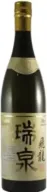
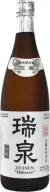
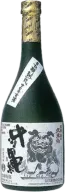
31 bottles
Imo shochu
Sweet potato shochu is the one people are told they have to drink with hot water. Hot water is genuinely good, and it is also the hardest first sip to sell. Start it long and cold with soda and a wedge of grapefruit, and come back to the hot water once you like the spirit.
Mugi shochu
Barley is the easiest shochu to hand to someone who has never had any. It behaves like a clean grain spirit with a little cereal sweetness, so a highball with lemon needs no explaining and no apology.
Kome shochu
Rice shochu is what happens when you distil something very close to sake. It carries the same apple and melon aromatics, which makes it the shochu that behaves most like a white spirit in a stirred drink.
Kokuto shochu
Brown sugar shochu is legally only made on the Amami islands, and it is a cane spirit in everything but name. Every rum drink you know is available to it at two thirds the alcohol.
Soba shochu
Buckwheat shochu is nutty and quiet, and it is the one category where roasted things are the answer rather than a compromise. Hojicha and mugicha are better mixers for it than any fruit.
Awamori
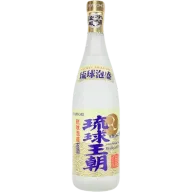
Awamori is older than shochu, made only in Okinawa, from Thai long-grain rice and black koji. The black koji leaves citric acid behind, which is why it wants citrus and tropical fruit and why it will split milk.
Shiso, sesame, tea and other single-botanical shochu
These are shochu with one loud idea in them, shiso or sesame or green tea. Treat the botanical as the drink's flavour and everything else as its frame, and do not try to add a second loud idea.
Shochumixer is built by Izakaya Juraku, a Lower East Side izakaya in New York. We keep 33 shochu behind the bar, and most of what is written here got tried on the counter first.