Soba shochu is usually vacuum distilled and light. That's the profile a highball flatters. The soba highball is a standard order in a soba restaurant, not an experiment.
An earthy, heavy spirit flattens out without acid. This is the ingredient doing structural work, not decoration. Bitter, bright and forgiving. Ruby or white both work; white is drier. The grapefruit sour is a real bar order in Japan, not a novelty.
One part shochu to three or four parts of the long mixer, over plenty of ice, then the accent on top. If it tastes thin, go two to three next time.
What it tastes like
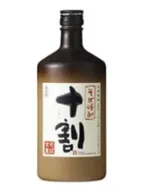
Soba shochu from Mori no Kura in Fukuoka. Producer's tasting notes: smooth. The profile below is built from the tasting notes the producer publishes.
buckwheat
smooth
Sweet
1/5
Body
3/5
Aroma
4/5
Fruit
not described
Floral
not described
Grain
5/5
Earth
3/5
Umami
2/5
Read from the words above rather than measured. Where it says not described, none of the sources behind this page mention it, which is not the same as it not being there.
Base
rice, rice koji, soba, barley
ABV
25%
What to mix with it
Tap a family to narrow it down. Every suggestion carries its reasoning, so if the reasoning does not convince you, ignore the suggestion.
A longer wedge is a family we'd reach for sooner with this bottle, worked out from its flavours rather than tasted. It isn't a score, or a comparison with other bottles.
The gentle ginger. For bottles that a ginger beer would bully.
Soba shochu is usually vacuum distilled and light. That's the profile a highball flatters. The soba highball is a standard order in a soba restaurant, not an experiment.
Carbonation carries aroma up out of the glass, so a highball shows an aromatic bottle off rather than diluting the point of it.
A spicy one, not a sweet one. The mule format works for every dark shochu, and it is the most forgiving way to serve one.
Soba shochu is usually vacuum distilled and light. That's the profile a highball flatters. The soba highball is a standard order in a soba restaurant, not an experiment.
Carbonation carries aroma up out of the glass, so a highball shows an aromatic bottle off rather than diluting the point of it.
Hoppy Beverage Co. has made it in Tokyo since 1948; at 0.8 percent it is legally a soft drink, and it is hard to find outside Japan. Chill the bottle, the shochu and the mug and no ice is needed.
Soba shochu is usually vacuum distilled and light. That's the profile a highball flatters. The soba highball is a standard order in a soba restaurant, not an experiment.
Carbonation carries aroma up out of the glass, so a highball shows an aromatic bottle off rather than diluting the point of it.
A plain or ginger kombucha. Acid, bubbles and a little funk, all three in one pour.
Soba shochu is usually vacuum distilled and light. That's the profile a highball flatters. The soba highball is a standard order in a soba restaurant, not an experiment.
Carbonation carries aroma up out of the glass, so a highball shows an aromatic bottle off rather than diluting the point of it.
The shortcut to a sour when there is no fresh lemon. Less sweet is better.
Soba shochu is usually vacuum distilled and light. That's the profile a highball flatters. The soba highball is a standard order in a soba restaurant, not an experiment.
Carbonation carries aroma up out of the glass, so a highball shows an aromatic bottle off rather than diluting the point of it.
Cold, and fizzy enough to matter. One part shochu to three or four parts soda; if it tastes thin, go one to two next time.
Soba shochu is usually vacuum distilled and light. That's the profile a highball flatters. The soba highball is a standard order in a soba restaurant, not an experiment.
Carbonation carries aroma up out of the glass, so a highball shows an aromatic bottle off rather than diluting the point of it.
Dry cava or crémant. Acid and bubbles in one pour.
Soba shochu is usually vacuum distilled and light. That's the profile a highball flatters. The soba highball is a standard order in a soba restaurant, not an experiment.
Carbonation carries aroma up out of the glass, so a highball shows an aromatic bottle off rather than diluting the point of it.
A dry tonic (Fever-Tree, Q). One part spirit, three parts tonic, a citrus wedge.
Soba shochu is usually vacuum distilled and light. That's the profile a highball flatters. The soba highball is a standard order in a soba restaurant, not an experiment.
Carbonation carries aroma up out of the glass, so a highball shows an aromatic bottle off rather than diluting the point of it.
Juice and peel are two different tools. Fresh juice, never bottled, is the whole basis of the lemon sour and the quickest way to put acid into a distilled base. The peel expressed over the top gives the oil and no acid at all, which is what a sweet or roasted bottle usually wants instead.
An earthy, heavy spirit flattens out without acid. This is the ingredient doing structural work, not decoration.
Buckwheat is nutty and low in acid, so citrus is doing structural work rather than adding a flavour.
Eden Foods sells it as Ume Plum Vinegar in most US supermarkets, and it is one of the cheapest things on this list. A bar spoon, and unlike a crushed umeboshi it can go into a shaken drink.
An earthy, heavy spirit flattens out without acid. This is the ingredient doing structural work, not decoration.
Eden Foods sells it as Ume Plum Vinegar in most US supermarkets, and it is one of the cheapest things on this list. A bar spoon, and unlike a crushed umeboshi it can go into a shaken drink.
Roasted buckwheat, in any Japanese grocery, hot or cold. In a soba restaurant the same serve is made with soba-yu, the starchy water the noodles were boiled in, which is thicker and cannot be bought.
This bottle's aroma is the reason to own it, and a roasted or smoky mixer covers exactly that.
The one mixer that puts the bottle's own raw material back into the glass
The bottle carries the grain and the mixer carries it roasted, so it is one ingredient reaching the glass two ways.
Roasted buckwheat, in any Japanese grocery, hot or cold. In a soba restaurant the same serve is made with soba-yu, the starchy water the noodles were boiled in, which is thicker and cannot be bought.
Hot water in the glass first, spirit poured on top so it mixes itself. Around 40C in the glass is the sweet spot. This is not the only way, it is one way.
Heat is what makes buckwheat smell toasted rather than merely nutty. That's most of the reason to pick a soba shochu at all.
Bitter orange: sour and aromatic rather than sweet, the citrus that goes into ponzu. Bottled juice is sold for cooking and works straight in a glass. Use the peel too, it carries most of the smell.
An earthy, heavy spirit flattens out without acid. This is the ingredient doing structural work, not decoration.
Buckwheat is nutty and low in acid, so citrus is doing structural work rather than adding a flavour.
Harder to find outside Japan than most of this list. Worth ordering or a trip to a Japanese grocery, and where something easier works as well, that comes first.
A Miyazaki citrus eaten with the white pith left on, which is sweet rather than bitter. Gentler and more floral than lemon, so it flavours a drink without taking it over.
An earthy, heavy spirit flattens out without acid. This is the ingredient doing structural work, not decoration.
Buckwheat is nutty and low in acid, so citrus is doing structural work rather than adding a flavour.
Harder to find outside Japan than most of this list. Worth ordering or a trip to a Japanese grocery, and where something easier works as well, that comes first.
Oita's citrus, softer than sudachi. Bartenders in Oita mix it with the local barley shochu and soda.
An earthy, heavy spirit flattens out without acid. This is the ingredient doing structural work, not decoration.
Buckwheat is nutty and low in acid, so citrus is doing structural work rather than adding a flavour.
Harder to find outside Japan than most of this list. Worth ordering or a trip to a Japanese grocery, and where something easier works as well, that comes first.
Sakamoto's, fermented outdoors in earthenware jars in Fukuyama and aged at least a year; Toiro and Japanese Taste ship it in the US. A teaspoon in a mizuwari is the whole intervention, and a second one is usually a mistake.
An earthy, heavy spirit flattens out without acid. This is the ingredient doing structural work, not decoration.
Sakamoto's, fermented outdoors in earthenware jars in Fukuyama and aged at least a year; Toiro and Japanese Taste ship it in the US. A teaspoon in a mizuwari is the whole intervention, and a second one is usually a mistake.
Harder to find outside Japan than most of this list. Worth ordering or a trip to a Japanese grocery, and where something easier works as well, that comes first.
Okinawa's own citrus, picked green and sharp, more bitter than lime and more floral than sudachi. Squeezed over awamori and soda it is what the islands actually drink.
An earthy, heavy spirit flattens out without acid. This is the ingredient doing structural work, not decoration.
Buckwheat is nutty and low in acid, so citrus is doing structural work rather than adding a flavour.
Harder to find outside Japan than most of this list. Worth ordering or a trip to a Japanese grocery, and where something easier works as well, that comes first.
A small green citrus from Tokushima, sharper and more herbal than lime. Sold frozen or as juice in Japanese markets.
An earthy, heavy spirit flattens out without acid. This is the ingredient doing structural work, not decoration.
Buckwheat is nutty and low in acid, so citrus is doing structural work rather than adding a flavour.
Harder to find outside Japan than most of this list. Worth ordering or a trip to a Japanese grocery, and where something easier works as well, that comes first.
The Japanese citrus that tastes like grapefruit, mandarin and lemon at once, with a floral peel. A little zest or juice goes a long way.
An earthy, heavy spirit flattens out without acid. This is the ingredient doing structural work, not decoration.
Buckwheat is nutty and low in acid, so citrus is doing structural work rather than adding a flavour.
Harder to find outside Japan than most of this list. Worth ordering or a trip to a Japanese grocery, and where something easier works as well, that comes first.
Food-grade citric and malic powder from the canning aisle, 10 grams whisked into 100 grams of cold water; two parts citric to one malic is close to lime. Some bartenders find a drink with no juice in it thin, so it is worth trying both ways.
An earthy, heavy spirit flattens out without acid. This is the ingredient doing structural work, not decoration.
The cordial, sweet and alcohol-free, poured like a syrup. Muscat, lychee and honey in one flower. The liqueur has its own entry below: a different product rather than a stronger or weaker version of this one, and it brings alcohol along with the flower.
Nothing here is sharp enough to cut the elderflower down, so it survives at the strength it was poured
The nutty base will swallow a delicate flower unless the drink is otherwise very plain.
Lustau or González Byass. Fino is salt and living flor; this is what is left after the flor dies, and at 18 percent an ounce lengthens the glass rather than strengthening it.
The bottle carries the grain and the mixer carries it roasted, so it is one ingredient reaching the glass two ways.
Zuiyo's Kuririn, from Japanese chestnuts at 11 percent, or Dover's wa-shu kuri, which is on a rum base. A dessert direction, and not the same thing as kuri shochu, which is a base spirit.
The bottle carries the grain and the mixer carries it roasted, so it is one ingredient reaching the glass two ways.
Blandy's or Barbeito, ten year. It is the one fortified wine that brings real acid, so it can do the lemon's job on a bottle where fresh citrus reads harsh.
The bottle carries the grain and the mixer carries it roasted, so it is one ingredient reaching the glass two ways.
Luxardo. It is sweetened, whatever the name suggests: their own account of the process ends by adding a syrup of water and sugar to bring it to 32 percent. What makes it read as dry is the stone. The cherries sit in larch vats for up to three years, pits, leaves and all, before the lot is distilled and the heart rested in ash, and that almond bitterness arrives before the sugar does. So measure it as a sweetener that tastes bitter, not as a dry modifier, and a bar spoon changes a stirred drink completely.
The bottle carries the grain and the mixer carries it roasted, so it is one ingredient reaching the glass two ways.
Small Hand Foods', or sugar, water and gum arabic from the baking aisle at home. Worth knowing that most Japanese gum syrup on a shelf today has no arabic gum in it at all.
Buckwheat's sweetness is dark rather than bright, so a dark syrup extends it and a pale one sits on top.
Sweet, low-acid Japanese mandarin. Juice it or drop segments in a glass. It needs a squeeze of something sharper alongside.
Buckwheat is nutty and low in acid, so citrus is doing structural work rather than adding a flavour.
Harder to find outside Japan than most of this list. Worth ordering or a trip to a Japanese grocery, and where something easier works as well, that comes first.
The Korean-style yuzu preserve sold in jars. A spoon in hot water with shochu, or shaken cold.
Buckwheat's sweetness is dark rather than bright, so a dark syrup extends it and a pale one sits on top.
Harder to find outside Japan than most of this list. Worth ordering or a trip to a Japanese grocery, and where something easier works as well, that comes first.
A drop of rose water, or a rose syrup. A drop; it takes over.
The nutty base will swallow a delicate flower unless the drink is otherwise very plain.
Ways to serve it
On the rocks
Mizuwari (with water)
Buckwheat shochu is nutty and quiet, and roasted things meet it on its own terms rather than covering it. Hojicha and mugicha pick up the nuttiness; citrus and ginger work differently, by cutting the quiet rather than matching it.
Cocktails other people made
We haven't found a cocktail written for this exact bottle. These were written for other bottles, so each one says which, and what changes if you pour this instead.
Written for iichiko Saiten, which is a barley shochu, not a buckwheat shochu. This bottle is lighter, 25% against 43%, so cut the mixer back or it will disappear.
·3 ounces buckwheat tea concentrate (see editor's note)
Written for iichiko Saiten, which is a barley shochu, not a buckwheat shochu. This bottle is lighter, 25% against 43%, so cut the mixer back or it will disappear.
·1 ounce plus 5 teaspoons shochu, preferably iichiko saiten
·1/2 teaspoon mezcal, preferably fidencio joven
·3/4 ounce citrus blend (equal parts lemon and lime juice)
punchdrink.com · Christian Suzuki, Kagano (Pop Up!), San Francisco
Renai Revolution
Written for a different style
Written for iichiko Saiten, which is a barley shochu, not a buckwheat shochu. This bottle is lighter, 25% against 43%, so cut the mixer back or it will disappear.
·1 1/2 ounces shochu, preferably iichiko saiten
·1/2 ounce pandan-vanilla syrup (see editor's note)