Lemon soda (ramune, Sanpellegrino), tall over ice. Lemon with it.
Soda and a neutral base is the chuhai, and nothing in the bottle competes with what you put in it.
Neutral by design, so the citrus does all of the flavour and the shochu does the length and the proof. This is the base a lemon sour is built on. Juice and peel are two different tools. Fresh juice, never bottled, is the whole basis of the lemon sour and the quickest way to put acid into a distilled base. The peel expressed over the top gives the oil and no acid at all, which is what a sweet or roasted bottle usually wants instead.
One part shochu to three or four parts of the long mixer, over plenty of ice, then the accent on top. If it tastes thin, go two to three next time.
What it tastes like
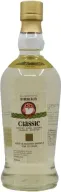
Korui shochu from Kiyosuzakura Jozo in Aichi. Producer's tasting notes: soft, crisp, clean. The profile below is built from the tasting notes the producer publishes.
rice
soft
crisp
clean
Sweet
2/5
Body
2/5
Aroma
1/5
Fruit
1/5
Floral
not described
Grain
2/5
Earth
not described
Umami
not described
Read from the words above rather than measured. Where it says not described, none of the sources behind this page mention it, which is not the same as it not being there.
Base
rice with rice koji, blended with type 1 shochu made from molasses
ABV
25%
What to mix with it
Tap a family to narrow it down. Every suggestion carries its reasoning, so if the reasoning does not convince you, ignore the suggestion.
A longer wedge is a family we'd reach for sooner with this bottle, worked out from its flavours rather than tasted. It isn't a score, or a comparison with other bottles.
Juice and peel are two different tools. Fresh juice, never bottled, is the whole basis of the lemon sour and the quickest way to put acid into a distilled base. The peel expressed over the top gives the oil and no acid at all, which is what a sweet or roasted bottle usually wants instead.
Neutral by design, so the citrus does all of the flavour and the shochu does the length and the proof. This is the base a lemon sour is built on.
Lemon sharpens a crisp bottle further
Rice sweetness wants acid, and lemon is the simplest acid there is
A Miyazaki citrus eaten with the white pith left on, which is sweet rather than bitter. Gentler and more floral than lemon, so it flavours a drink without taking it over.
Mild enough that a light bottle is still the thing you taste
Softer acid than lemon, so the rice sweetness stays in the glass
A Miyazaki citrus eaten with the white pith left on, which is sweet rather than bitter. Gentler and more floral than lemon, so it flavours a drink without taking it over.
Harder to find outside Japan than most of this list. Worth ordering or a trip to a Japanese grocery, and where something easier works as well, that comes first.
A small green citrus from Tokushima, sharper and more herbal than lime. Sold frozen or as juice in Japanese markets.
Sudachi's green sharpness shows best on a clean bottle
Squeezed over rice, it is the flavor of a Japanese autumn table
A small green citrus from Tokushima, sharper and more herbal than lime. Sold frozen or as juice in Japanese markets.
Harder to find outside Japan than most of this list. Worth ordering or a trip to a Japanese grocery, and where something easier works as well, that comes first.
The Japanese citrus that tastes like grapefruit, mandarin and lemon at once, with a floral peel. A little zest or juice goes a long way.
A clean bottle gives yuzu a blank page
The classic pair: rice sweetness under yuzu zest
The Japanese citrus that tastes like grapefruit, mandarin and lemon at once, with a floral peel. A little zest or juice goes a long way.
Harder to find outside Japan than most of this list. Worth ordering or a trip to a Japanese grocery, and where something easier works as well, that comes first.
Hoppy Beverage Co. has made it in Tokyo since 1948; at 0.8 percent it is legally a soft drink, and it is hard to find outside Japan. Chill the bottle, the shochu and the mug and no ice is needed.
Soda and a neutral base is the chuhai, and nothing in the bottle competes with what you put in it.
It was built around neutral shochu, and that is still where it fits best
Hana Makgeolli is brewed in Greenpoint, Brooklyn; Makku sells a canned one. Strength varies widely across the category, from around 6 percent in a can to the mid teens for an unfiltered takju, so read the label before deciding how much to pour.
Its lactic tang keeps a crisp bottle from going flat as the ice melts
The bottle already smells of rice, and this puts more of it in the glass.
Oita's citrus, softer than sudachi. Bartenders in Oita mix it with the local barley shochu and soda.
Milder than sudachi, so it does not fight a delicate bottle
Oita's citrus, softer than sudachi. Bartenders in Oita mix it with the local barley shochu and soda.
Harder to find outside Japan than most of this list. Worth ordering or a trip to a Japanese grocery, and where something easier works as well, that comes first.
Sweet, low-acid Japanese mandarin. Juice it or drop segments in a glass. It needs a squeeze of something sharper alongside.
Mikan juice over rice sweetness is gentle and familiar
Sweet, low-acid Japanese mandarin. Juice it or drop segments in a glass. It needs a squeeze of something sharper alongside.
Harder to find outside Japan than most of this list. Worth ordering or a trip to a Japanese grocery, and where something easier works as well, that comes first.
Okinawa's own citrus, picked green and sharp, more bitter than lime and more floral than sudachi. Squeezed over awamori and soda it is what the islands actually drink.
Sharper and more bitter than a lime, which is what keeps it from disappearing into a light bottle
Okinawa's own citrus, picked green and sharp, more bitter than lime and more floral than sudachi. Squeezed over awamori and soda it is what the islands actually drink.
Harder to find outside Japan than most of this list. Worth ordering or a trip to a Japanese grocery, and where something easier works as well, that comes first.
Roasted buckwheat, in any Japanese grocery, hot or cold. In a soba restaurant the same serve is made with soba-yu, the starchy water the noodles were boiled in, which is thicker and cannot be bought.
Roasted buckwheat, in any Japanese grocery, hot or cold. In a soba restaurant the same serve is made with soba-yu, the starchy water the noodles were boiled in, which is thicker and cannot be bought.
Young sansho leaves, clapped between the palms and floated. Hard to find outside Japanese markets in spring, worth the hunt.
The classic spring garnish for rice dishes; it belongs on rice wine too
A single leaf on a clean bottle changes the whole glass
Harder to find outside Japan than most of this list. Worth ordering or a trip to a Japanese grocery, and where something easier works as well, that comes first.
Mikawa Mirin from Sumiya Bunjiro Shoten, made from glutinous rice, koji and shochu since 1911 with no added sugar. Not the sweetened seasoning sold as mirin-fu chomiryo, which is a different product.
The bottle already smells of rice, and this puts more of it in the glass.
Bitter orange: sour and aromatic rather than sweet, the citrus that goes into ponzu. Bottled juice is sold for cooking and works straight in a glass. Use the peel too, it carries most of the smell.
Bitter orange: sour and aromatic rather than sweet, the citrus that goes into ponzu. Bottled juice is sold for cooking and works straight in a glass. Use the peel too, it carries most of the smell.
Harder to find outside Japan than most of this list. Worth ordering or a trip to a Japanese grocery, and where something easier works as well, that comes first.
Food-grade citric and malic powder from the canning aisle, 10 grams whisked into 100 grams of cold water; two parts citric to one malic is close to lime. Some bartenders find a drink with no juice in it thin, so it is worth trying both ways.
A clean bottle has nowhere to hide, so acid reads as brightness rather than as a correction
Cold-pressed juice or thin slices. Green apple is already in the aroma of a lot of rice shochu, so this amplifies what is there rather than adding something new.
St-Germain or similar: the flower with alcohol behind it, for stirred drinks. A half ounce is enough. For a long drink, the cordial above does the same flavour without the proof.
Shochu, elderflower liqueur, lemon: a sour that tastes like spring
Small Hand Foods', or sugar, water and gum arabic from the baking aisle at home. Worth knowing that most Japanese gum syrup on a shelf today has no arabic gum in it at all.
It puts the body back without adding more sugar, which is the other way to fix it
Torn leaves steeped briefly. Perfumed citrus without juice.
Intense citrus perfume on a clean bottle
Harder to find outside Japan than most of this list. Worth ordering or a trip to a Japanese grocery, and where something easier works as well, that comes first.
A pinch of ground sansho over the top, or a few peppercorns steeped. Numbing, citrusy, green.
Sansho and rice is a Kyoto kitchen
Harder to find outside Japan than most of this list. Worth ordering or a trip to a Japanese grocery, and where something easier works as well, that comes first.
The Korean-style yuzu preserve sold in jars. A spoon in hot water with shochu, or shaken cold.
Hot water, rice shochu, a spoon of yuzu tea
Harder to find outside Japan than most of this list. Worth ordering or a trip to a Japanese grocery, and where something easier works as well, that comes first.
Ways to serve it
With soda
On the rocks
Korui is shochu defined by the still rather than by what it is made from: a continuous column strips out most of what a pot still leaves in, and the law caps it below 36 percent. That is why it is the house base for a lemon sour. Buy it for what you are going to put in it.
Cocktails other people made
We haven't found a cocktail written for this exact bottle. These were written for other bottles, so each one says which, and what changes if you pour this instead.
Written for iichiko Saiten, which is a barley shochu, not a rice shochu. This bottle is lighter, 25% against 43%, so cut the mixer back or it will disappear.
·3 ounces buckwheat tea concentrate (see editor's note)
Written for iichiko Saiten, which is a barley shochu, not a rice shochu. This bottle is lighter, 25% against 43%, so cut the mixer back or it will disappear.
·1 ounce plus 5 teaspoons shochu, preferably iichiko saiten
·1/2 teaspoon mezcal, preferably fidencio joven
·3/4 ounce citrus blend (equal parts lemon and lime juice)
If a recipe calls for something else and this is what you have. The verdict is for this bottle rather than for its style, so a bottle without the strength a stirred drink needs is not offered for one.