Skip to content

Pour this first

Ginger ale, tall over ice. Lemon with it.

These bottles already have one strong flavour in them. Soda gives it room instead of competing with it.

Acid frames a single strong flavour and keeps it from turning syrupy. Juice and peel are two different tools. Fresh juice, never bottled, is the whole basis of the lemon sour and the quickest way to put acid into a distilled base. The peel expressed over the top gives the oil and no acid at all, which is what a sweet or roasted bottle usually wants instead.

One part shochu to three or four parts of the long mixer, over plenty of ice, then the accent on top. If it tastes thin, go two to three next time.

What it tastes like

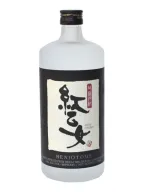
Shochu from Sengetsu Shuzo in Kumamoto. Importer's tasting notes: sweet. The profile below is built from the tasting notes its importer publishes.

  • sweet
  • white peach
Sweet
2/5
Body
3/5
Aroma
4/5
Fruit
2/5
Floral
not described
Grain
2/5
Earth
1/5
Umami
1/5

Read from the words above rather than measured. Where it says not described, none of the sources behind this page mention it, which is not the same as it not being there.

Base
Kumamoto Rice Shochu with peach pulp
ABV
7%

What to mix with it

This bottle is made with white peach, not merely reminiscent of it. A mixer meets the white peach first and the grain second, so read these as answers to the white peach rather than to the barley or the rice. Tap a family to narrow it down. Every suggestion carries its reasoning, so if the reasoning does not convince you, ignore the suggestion.

A longer wedge is a family we'd reach for sooner with this bottle, worked out from its flavours rather than tasted. It isn't a score, or a comparison with other bottles.

Explore all 50 pairings
  • Ginger ale

    Strong match

    The gentle ginger. For bottles that a ginger beer would bully.

    • These bottles already have one strong flavour in them. Soda gives it room instead of competing with it.
    • Carbonation carries aroma up out of the glass, so a highball shows an aromatic bottle off rather than diluting the point of it.
  • Ginger beer

    Strong match

    A spicy one, not a sweet one. The mule format works for every dark shochu, and it is the most forgiving way to serve one.

    • These bottles already have one strong flavour in them. Soda gives it room instead of competing with it.
    • Carbonation carries aroma up out of the glass, so a highball shows an aromatic bottle off rather than diluting the point of it.
  • Hoppy Beverage Co. has made it in Tokyo since 1948; at 0.8 percent it is legally a soft drink, and it is hard to find outside Japan. Chill the bottle, the shochu and the mug and no ice is needed.

    • These bottles already have one strong flavour in them. Soda gives it room instead of competing with it.
    • Carbonation carries aroma up out of the glass, so a highball shows an aromatic bottle off rather than diluting the point of it.
  • Kombucha

    Strong match

    A plain or ginger kombucha. Acid, bubbles and a little funk, all three in one pour.

    • These bottles already have one strong flavour in them. Soda gives it room instead of competing with it.
    • Carbonation carries aroma up out of the glass, so a highball shows an aromatic bottle off rather than diluting the point of it.
  • The shortcut to a sour when there is no fresh lemon. Less sweet is better.

    • These bottles already have one strong flavour in them. Soda gives it room instead of competing with it.
    • Carbonation carries aroma up out of the glass, so a highball shows an aromatic bottle off rather than diluting the point of it.
  • Soda water

    Strong match

    Cold, and fizzy enough to matter. One part shochu to three or four parts soda; if it tastes thin, go one to two next time.

    • These bottles already have one strong flavour in them. Soda gives it room instead of competing with it.
    • Carbonation carries aroma up out of the glass, so a highball shows an aromatic bottle off rather than diluting the point of it.
  • Dry cava or crémant. Acid and bubbles in one pour.

    • These bottles already have one strong flavour in them. Soda gives it room instead of competing with it.
    • Carbonation carries aroma up out of the glass, so a highball shows an aromatic bottle off rather than diluting the point of it.
  • Tonic water

    Strong match

    A dry tonic (Fever-Tree, Q). One part spirit, three parts tonic, a citrus wedge.

    • These bottles already have one strong flavour in them. Soda gives it room instead of competing with it.
    • Carbonation carries aroma up out of the glass, so a highball shows an aromatic bottle off rather than diluting the point of it.
  • Food-grade citric and malic powder from the canning aisle, 10 grams whisked into 100 grams of cold water; two parts citric to one malic is close to lime. Some bartenders find a drink with no juice in it thin, so it is worth trying both ways.

    • Half an ounce of lemon juice paints over a peach note; this does not
  • Blanc vermouth

    Worth trying

    Dolin blanc. Sweeter and more floral than dry; for the aromatic bottles. Lillet Blanc stands in the same place in a drink, but its maker says plainly that it is a wine aperitif and not a vermouth, because there is no wormwood in it.

    • Peach and blanc vermouth
  • Blood orange

    Worth trying

    Orange with a raspberry edge. Winter fruit; worth waiting for.

    • Acid frames a single strong flavour and keeps it from turning syrupy.
  • Hot water in the glass first, spirit poured on top so it mixes itself. Around 40C in the glass is the sweet spot. This is not the only way, it is one way.

    • Water dilutes the botanical without adding anything to argue with it. Useful when the bottle is strong enough that soda would only make it louder.
  • Kumquat

    Worth trying

    Eaten whole, peel and all. Muddle a few in a glass; the peel gives bitterness, the flesh gives tartness.

    • Acid frames a single strong flavour and keeps it from turning syrupy.
  • Lemon

    Worth trying

    Juice and peel are two different tools. Fresh juice, never bottled, is the whole basis of the lemon sour and the quickest way to put acid into a distilled base. The peel expressed over the top gives the oil and no acid at all, which is what a sweet or roasted bottle usually wants instead.

    • Acid frames a single strong flavour and keeps it from turning syrupy.
  • Lime

    Worth trying

    Sharper and greener than lemon. The citrus for anything built on brown sugar or tropical fruit.

    • Acid frames a single strong flavour and keeps it from turning syrupy.
  • Orange

    Worth trying

    Fresh juice when you want it long and easy; the peel when the bottle is aged and the drink is stirred.

    • Acid frames a single strong flavour and keeps it from turning syrupy.
  • Peach liqueur

    Worth trying

    A good one (Giffard, Merlet). A shortcut to the bellini when peaches are out of season.

    • White peach is in this bottle, not just on its nose, so this doubles it rather than introducing it.
    • Peach on peach
  • Soft water, cold, over ice or not. One to one is normal. Mix a day ahead (maewari) and the edges round off.

    • Water dilutes the botanical without adding anything to argue with it. Useful when the bottle is strong enough that soda would only make it louder.
  • White peach

    Worth trying

    The bellini fruit. Nectar from a Japanese market, or a ripe peach muddled through a strainer.

    • White peach is in this bottle, not just on its nose, so this doubles it rather than introducing it.
    • The bottle is already described as white peach, and the fruit makes it plain
  • Bitter orange: sour and aromatic rather than sweet, the citrus that goes into ponzu. Bottled juice is sold for cooking and works straight in a glass. Use the peel too, it carries most of the smell.

    • Acid frames a single strong flavour and keeps it from turning syrupy.
    • Harder to find outside Japan than most of this list. Worth ordering or a trip to a Japanese grocery, and where something easier works as well, that comes first.
  • Hyuganatsu

    Worth trying

    A Miyazaki citrus eaten with the white pith left on, which is sweet rather than bitter. Gentler and more floral than lemon, so it flavours a drink without taking it over.

    • Acid frames a single strong flavour and keeps it from turning syrupy.
    • Harder to find outside Japan than most of this list. Worth ordering or a trip to a Japanese grocery, and where something easier works as well, that comes first.
  • Kabosu

    Worth trying

    Oita's citrus, softer than sudachi. Bartenders in Oita mix it with the local barley shochu and soda.

    • Acid frames a single strong flavour and keeps it from turning syrupy.
    • Harder to find outside Japan than most of this list. Worth ordering or a trip to a Japanese grocery, and where something easier works as well, that comes first.
  • Mikan (satsuma)

    Worth trying

    Sweet, low-acid Japanese mandarin. Juice it or drop segments in a glass. It needs a squeeze of something sharper alongside.

    • Acid frames a single strong flavour and keeps it from turning syrupy.
    • Harder to find outside Japan than most of this list. Worth ordering or a trip to a Japanese grocery, and where something easier works as well, that comes first.
  • Shikuwasa

    Worth trying

    Okinawa's own citrus, picked green and sharp, more bitter than lime and more floral than sudachi. Squeezed over awamori and soda it is what the islands actually drink.

    • Acid frames a single strong flavour and keeps it from turning syrupy.
    • Harder to find outside Japan than most of this list. Worth ordering or a trip to a Japanese grocery, and where something easier works as well, that comes first.
  • Sudachi

    Worth trying

    A small green citrus from Tokushima, sharper and more herbal than lime. Sold frozen or as juice in Japanese markets.

    • Acid frames a single strong flavour and keeps it from turning syrupy.
    • Harder to find outside Japan than most of this list. Worth ordering or a trip to a Japanese grocery, and where something easier works as well, that comes first.
  • Yuzu

    Worth trying

    The Japanese citrus that tastes like grapefruit, mandarin and lemon at once, with a floral peel. A little zest or juice goes a long way.

    • Acid frames a single strong flavour and keeps it from turning syrupy.
    • Harder to find outside Japan than most of this list. Worth ordering or a trip to a Japanese grocery, and where something easier works as well, that comes first.
  • Braulio, made in Bormio from gentian, juniper, peppermint and yarrow, around forty-five dollars. A summer drink on shochu and a winter one on whisky, which is one bottle behaving two ways.

    • Braulio, made in Bormio from gentian, juniper, peppermint and yarrow, around forty-five dollars. A summer drink on shochu and a winter one on whisky, which is one bottle behaving two ways.
  • Amaro

    Worth trying

    Montenegro, Nonino, Averna. Equal parts with a dark shochu over ice is a whole drink.

    • Montenegro, Nonino, Averna. Equal parts with a dark shochu over ice is a whole drink.
  • Campari, Aperol, or a Japanese bitter like Kina. Bitter and sweet at once, and it wants a base with something of its own to answer back.

    • A strong bitter will argue with the botanical rather than support it. Keep it to a dash.
  • Aromatic bitters

    Worth trying

    Angostura or a Japanese aromatic. Two dashes.

    • Angostura or a Japanese aromatic. Two dashes.
  • Basil

    Worth trying

    Muddled gently with citrus. Thai basil brings anise, Italian basil brings pepper.

    • Muddled gently with citrus. Thai basil brings anise, Italian basil brings pepper.
  • The concentrate, diluted with soda. Yogurt-sweet and sour. The Calpis sour is a familiar order in Japan.

    • Works for the sweet and nutty bottles, sesame especially. Not for the sharp herbal ones.
  • Celery bitters

    Worth trying

    Scrappy's leads with the seed, Fee Brothers has garlic and ginger behind it, The Bitter Truth reads more astringent than bitter. Two dashes.

    • Scrappy's leads with the seed, Fee Brothers has garlic and ginger behind it, The Bitter Truth reads more astringent than bitter. Two dashes.
  • Cream

    Worth trying

    Half-and-half or heavy cream, in the after-dinner glass only.

    • Works for the sweet and nutty bottles, sesame especially. Not for the sharp herbal ones.
  • Egg white

    Worth trying

    One white, dry-shaken. Texture without flavor.

    • Works for the sweet and nutty bottles, sesame especially. Not for the sharp herbal ones.
  • Fernet

    Worth trying

    A quarter ounce. Menthol and bitterness, for the darkest bottles.

    • A quarter ounce. Menthol and bitterness, for the darkest bottles.
  • Suze or Salers. Bitter root, bright yellow. A little in a highball changes everything.

    • Suze or Salers. Bitter root, bright yellow. A little in a highball changes everything.
  • The Japanese Bitters, five 100ml expressions, sold at Astor Wines in New York. Angostura at nearly 45 percent is a small spike in a 25 percent drink in a way these are not.

    • The Japanese Bitters, five 100ml expressions, sold at Astor Wines in New York. Angostura at nearly 45 percent is a small spike in a 25 percent drink in a way these are not.
  • Lemongrass

    Worth trying

    Bruised stalks steeped in the spirit, or a syrup. Citrus without acid, which is useful when you want aroma but not sourness.

    • Bruised stalks steeped in the spirit, or a syrup. Citrus without acid, which is useful when you want aroma but not sourness.
  • Milk

    Worth trying

    Cold whole milk. Fat rounds a spirit off the way it does in coffee, and it is not a dare.

    • Works for the sweet and nutty bottles, sesame especially. Not for the sharp herbal ones.
  • Mint

    Worth trying

    Slapped, not muddled to bits. Mint reads as cold, which makes any low-proof drink feel more refreshing.

    • Slapped, not muddled to bits. Mint reads as cold, which makes any low-proof drink feel more refreshing.
  • Oat milk

    Worth trying

    The dairy-free milk that tastes of cereal, which is why it likes grain spirits.

    • Works for the sweet and nutty bottles, sesame especially. Not for the sharp herbal ones.
  • Cocchi Americano: moscato steeped with cinchona bark, gentian and bitter orange. The bark is the point of it, and it carries a quinine bitterness no citrus will give you.

    • Cocchi Americano: moscato steeped with cinchona bark, gentian and bitter orange. The bark is the point of it, and it carries a quinine bitterness no citrus will give you.
  • Shiso

    Worth trying

    Green shiso leaves, slapped or muddled gently. Red shiso as a syrup. Japan already makes shiso shochu, which tells you it works.

    • Only where the herb agrees with the bottle's own botanical. Shiso on shiso works; rosemary on shiso does not.
  • Soy milk (tonyu)

    Worth trying

    Unsweetened, four parts shochu to six parts soy milk, which is how the Japanese recipes write it. Stronger than it tastes, so pour it knowing that.

    • Works for the sweet and nutty bottles, sesame especially. Not for the sharp herbal ones.
  • Thyme

    Worth trying

    Gentler than rosemary. Steep a sprig, or use a thyme syrup.

    • Gentler than rosemary. Steep a sprig, or use a thyme syrup.
  • Jack Rudy's Extra Bitter, made with real cinchona bark, or Small Hand Foods'. Half a teaspoon and soda, set to the bottle in front of you rather than to a tonic maker's idea of a spirit.

    • Jack Rudy's Extra Bitter, made with real cinchona bark, or Small Hand Foods'. Half a teaspoon and soda, set to the bottle in front of you rather than to a tonic maker's idea of a spirit.
  • The non-alcoholic koji drink, sweet from rice starch alone. Blend with the spirit and ice; it is a shochu smoothie.

    • Works for the sweet and nutty bottles, sesame especially. Not for the sharp herbal ones.
    • Harder to find outside Japan than most of this list. Worth ordering or a trip to a Japanese grocery, and where something easier works as well, that comes first.
  • Young sansho leaves, clapped between the palms and floated. Hard to find outside Japanese markets in spring, worth the hunt.

    • Young sansho leaves, clapped between the palms and floated. Hard to find outside Japanese markets in spring, worth the hunt.
    • Harder to find outside Japan than most of this list. Worth ordering or a trip to a Japanese grocery, and where something easier works as well, that comes first.
  • Makrut lime leaf

    Worth trying

    Torn leaves steeped briefly. Perfumed citrus without juice.

    • Torn leaves steeped briefly. Perfumed citrus without juice.
    • Harder to find outside Japan than most of this list. Worth ordering or a trip to a Japanese grocery, and where something easier works as well, that comes first.

Ways to serve it

  • With soda
  • On the rocks

These are shochu with one loud idea in them, shiso or sesame or yuzu. Treat that flavour as the drink's and everything else as its frame, and do not try to add a second loud idea.

Cocktails other people made

We haven't found a cocktail written for this exact bottle. These were written for other bottles, so each one says which, and what changes if you pour this instead.
Show 8 more
  • Just One Cookbook

    Japanese Yuzu Cocktail (Yuzu Chuhai)

    Written for shochu generally

    • ½ cup club soda (soda water)
    • ¼ cup shochu (any brand or type)
    • 1 tbsp homemade simple syrup
    • 1 tsp yuzu juice (extract)
    • ice cubes
    • 1, 2 tsp korean citron tea (yuja cha) (optional)
    • lime (optional; can use lemon)

    Built tall in the glass.

    Full method at Just One Cookbook →
  • Pickled Plum

    Lemon Sour (Japanese)

    Written for shochu generally

    • juice of 1/2 lemon
    • 1/4 cup shōchū (or soju)
    • 1/2 cup soda water
    • 1 tablespoon simple syrup (1 tablespoon sugar mixed with 1 tablespoon water)
    • ice cubes

    Built tall in the glass.

    Full method at Pickled Plum →
  • Pickled Plum

    Umeboshi Sour (Pickled Plum Cocktail)

    Written for shochu generally

    • ice cubes
    • 1/4 cup shōchū (such as iichiko)
    • 3/4 cup sparkling water
    • 1 1/2 tablespoon umezu (plum vinegar)
    • 1/2 teaspoon plain rice vinegar
    • 1/2 teaspoon honey (optional)
    • 1 large soft umeboshi (japanese pickled plum)
    • 1 shiso leaf, whole or shredded, for garnish (optional)

    Built in the glass.

    Full method at Pickled Plum →
  • punchdrink.com · Teppoudama, Tokyo, Japan

    Gari Hai

    Written for shochu generally

    • scant 1 3/4 ounces shochu
    • 6 to 7 ounces soda water, to top
    • Garnish: 1 large pinch of gari (pickled ginger slices, pink or yellow)

    Built tall in the glass.

    Full method at punchdrink.com →
  • punchdrink.com · Brian Evans and George Padilla, Brooklyn, New York

    The Rule of Thirds Chu-Hai

    Written for shochu generally

    • 1 1/2 ounces shochu
    • 1 1/4 ounce grapefruit juice
    • 3/4 ounce sweetened hojicha tea (see editor's note)
    • club soda, to top

    Built tall in the glass.

    Full method at punchdrink.com →
  • punchdrink.com · Kelly Brophy, Cheu Noodle Bar, Philadelphia, PA

    Blue Calpico Chu-Hai

    Written for Gyokuo

    We hold no record for that bottle, so treat this as a starting point rather than a match.

    • 1/4 ounce blue curaçao, preferably bols
    • 1 ounce calpico concentrate
    • 1 ounce green tea shochu, preferably gyokuo
    • 1 ounce gin, preferably bluecoat
    • 1/4 ounce lemon juice
    • soda water
    • Mist of orange blossom water
    • Garnish: orange twist

    Shaken.

    Full method at punchdrink.com →
  • punchdrink.com · Xavier Herit, New York City

    Sho Sho

    Written for Akanone Carrot Shochu

    We hold no record for that bottle, so treat this as a starting point rather than a match.

    • 1 ounce akanone carrot shochu
    • 1 ounce oloroso sherry
    • 3/4 ounce lime juice
    • 3/4 ounce carrot-ginger syrup (see editor's note)
    • root beer

    Shaken.

    Full method at punchdrink.com →

Sources and verification

Imported in the US by Mutual Trading Co.

Filed under shiso, sesame, yuzu and other flavoured shochu.