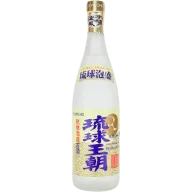
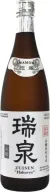
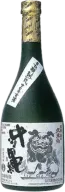
Okinawa沖縄県
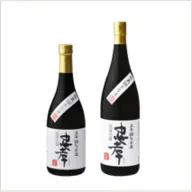
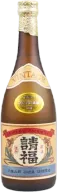
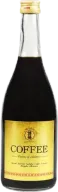
Awamori. Older than shochu, and made a different way.
110 bottles here · 28 producers · Awamori
Protected origin: Ryukyu琉球泡盛
Made in Okinawa from rice using black koji, by the all-koji method, and distilled in a pot still.
Designated 1995 by Japan’s National Tax Agency. Source.
Awamori is the oldest distilled spirit in Japan, made in Okinawa since roughly the fifteenth century. Distilling arrived from Siam through the Ryukyu kingdom's trade, not from mainland Japan. It predates shochu, and mainland shochu most likely descends from it.
Two rules make it a different drink rather than a regional shochu, and a third thing that looks like a rule is not one. It uses black koji, always, and the all-koji method, zen koji shikomi. The entire mash is koji, rather than koji plus a separate main mash added later. The long-grain Thai indica rice is the habit rather than the rule: no instrument requires it, and almost every distillery uses it anyway. That last one is the big one. Awamori ferments in a single stage where shochu takes two, and that's what makes it denser and more savoury.
Awamori aged three years or more is called kusu. Traditionally it was aged by shitsugi, topping up older clay pots from younger ones in a chain. Same idea as a sherry solera. Some Okinawan distilleries have gone back to making the pots themselves.
Producers here
- Onna Shuzosho13 bottles · Official site
- Kamimura Shuzo10 bottles · Official site
- Sakimoto Shuzo8 bottles · Official site
- Shikina Shuzo8 bottles · Official site
- Nakijin Shuzo7 bottles · Official site
- Higa Shuzo6 bottles · Official site
- Kin Shuzo6 bottles · Official site
- Oki no Hikari Shuzo6 bottles · Official site
- Sakiyama Shuzosho6 bottles · Official site
- Chuko Shuzo4 bottles · Official site
- Donan Shuzo4 bottles · Official site
- Kumejima's Kumesen4 bottles · Official site
- Zuisen Distillery4 bottles · Official site
- RYUKYU14293 bottles
- Seifuku Shuzo3 bottles · Official site
- Taragawa Shuzo3 bottles · Official site
- Ishikawa Shuzojo2 bottles · Official site
- Masahiro Shuzo2 bottles · Official site
- Yamakawa Shuzo2 bottles · Official site
- Helios Distillery1 bottle
- Ikehara Shuzo1 bottle
- Kumesen Shuzo1 bottle · Official site
- Miya no Hana1 bottle · Official site
- Mizuho Shuzo1 bottle · Official site
- Okinawa Distillery Cooperative Association1 bottle
- Shinzato Shuzo1 bottle · Official site
- Tamanaha Shuzosho1 bottle · Official site
- Tsukayama Shuzosho1 bottle · Official site
A producer is linked only where a page on their own domain was read while researching one of their bottles. The rest have no link rather than a guessed one.
Others who distil here
The Japan Sake and Shochu Makers Association lists these as distilling here. We hold no bottle from any of them, so there is nothing to recommend and no tasting note to give. What follows is a record that they exist, with their own site where the association publishes one.
- Chatanchoro Syuzo Kojo1848 · Official site
Brands: Choro 720ml
- Hateruma Shuzosho1950 · Official site
Brands: Awanami (Awamori)
- Ikema Shuzo1946
Brands: Nikonikotaro (Awamori)
- Izena Shuzosho1949 · Official site
Brands: Tokiwa (Awamori)
- Kamiya Shuzosho1949 · Official site
Brands: Nanko (Awamori)
- Kiku no Tsuyu Shuzo1928 · Official site
Brands: Kikunotsuyu (Awamori)
- Kyodokumiai Ryukyu Awamori Koshu no Sato2008 · Official site
Brands: Koshunosato (Awamori)
- Miyasato Shuzosho1946
Brands: Harusame (Awamori)
- Nakama Shuzo1948
Brands: Miya no Tsuru (Awamori)
- Okinawaken Shuzo Kyodokumiai1976 · Official site
Brands: Uminokuni (Awamori)
- Ryusen Shuzo1939
Brands: Ryusen (Awamori)
- Tsuhako Shuzo1898 · Official site
Brands: Taihei (Awamori)
- Uehara Shuzo1947 · Official site
Brands: Shinsen (Awamori)
- Yaesen Shuzo1955 · Official site
Brands: Yaesen (Awamori)
- Yanbaru Shuzo1950 · Official site
Brands: Maruta (Awamori)
- Yoneshima Shuzo1948 · Official site
Brands: Kumejima (Awamori)